
We are recognised as authorities in our specialised fields. We publish newsletters with informed opinions that are free for you to subscribe to.
Succession: The hardest part is letting go
This three-part series on succession will be a little wider-ranging than usual, because it covers three kinds of succession issues that I have lived through from different seats over the last three years: as a director, a business owner, and a family advisor.

Part one is about family – the hardest boardroom of all, because the table is also the dinner table. Part two is about boards, and the people you choose to put around them. Part three is about CEOs and the act of handing over the keys, and it is the part where I tell my own story. In this issue of the GS Newsletter, I will elaborate on Part One. I’ll be covering the remaining parts in our following issues.
Some of what I have seen has been downright ugly. Some of it has been done beautifully. But none of it has been free of trauma and heartache, and that is the thread that runs through all three parts.
As a practitioner in this space, it is easy to research and apply the theories written on this. But until you have experienced it for yourself, it is hard to grasp the emotional trauma from just reading and applying theory.
Business is mostly a human experience from which economic outcomes are derived. The legacy is the human memory, while the economic outcomes provide the resources and opportunity to continue the experience and share it with others.
And the hardest part, in every one of these stories, is the letting go.
When the Boardroom Is the Dinner Table
The patriarch who never had to leave
A patriarch had been running the business for nearly 60 years. The son and daughter-in-law have been working alongside him in the business for over 20 of those years. The dad gave the son some freedom, and within the family entity, created an ancillary business that for many years made as much in losses as the main business did in profits. However, the family was wealthy, so the losses were sustained.
Today, both businesses are approximately the same size, and both are profitable.
The patriarch has since handed the business over to the son and daughter-in-law. He continues to go into the office — and is welcomed, respected and loved.
When the heir isn’t hungry
For the first 40 years, the patriarch ran the business and his son-in-law worked alongside him. When his daughter ventured into a separate business, funded by the father, the son-in-law became involved in both, and while doing so, demonstrated that he lacked the drive and focus to run the family business effectively. So, the father remained in control. He e had expected the son-in-law to take over the business, but it flatlined for several years, gently drifting downward. The father offered the business at a very low price to his son-in-law and daughter, but they refused. It was finally sold to third parties for more than what was initially offered. The outcome was a disappointment, but the father was circumspect.
The gifted child who won’t take the wheel
The patriarch had been running the business for 35 years, and it now has scale. One of his children works in the business and is exceptional with customer service and business development. However, she is resistant to taking responsibility for running it — with or without dad.
The father is beginning to face his mortality, and the business largely runs on its own. He is concerned about the future of his daughter if an external manager is bought in or if the business is sold.
Freedom with guard rails
A family consisting of a mum, dad, and two children run a large family business. The business is owned by the parents, and the children are given “freedom with guard rails” to grow and diversify the business. They’re all still actively working in the business together. The two sons have divided the responsibilities between themselves to play to their strengths and joys.
When succession arrives without warning
A mid-sized business that faced an unfortunate turn following the father’s sudden death. With no other option, the daughter and son took over the business. The daughter attempted to take the lead, but she felt out of her depth initially. Fortunately, the company had other shareholders from the father’s community, and a board was formed. She embraced the opportunity wholeheartedly. Because her father had been a storyteller who shared his experiences around the dinner table, she came to the role with a high awareness of the business and was more prepared than she may have realised.
She activated a functioning board and has been running it for over 25 years with enthusiasm and aspiration. It is now one of the largest businesses in its sector in New Zealand. A true success story. She developed a purpose beyond economics and adopted practices that were fundamentally focused on the growth of her people and their aspirations. Now, succession in all the shareholder families is transitioning onto the next generation. The economics are favourable, and the sense of belonging to something greater is real across all the shareholders and their families, in varying degrees.
What the family stories taught me
- Make sure you are as ready to do so as you can be. Start early. Time helps.
- Understand your business or family. Be authentic and ensure communication is clear in both directions. Speak, and listen. You might not like what you hear, so adapt.
- Succession is a time of change, and it’s underpinned by intense human emotions. The emotions drive success more than the rational mind and other business decisions, when managing succession.
- If human relationships are strong, even in crisis and conflict, there is less trauma.
- Trust, loyalty, and selflessness for the greater good make everything easier.
The thread that ties these families together
What ties these families together isn’t the size of the business or the cleverness of the structure. It is whether the relationships could carry the weight of the change. Where they could, the handover was survivable, even when it didn’t go to plan. Where they couldn’t, no amount of good advice saved it. In a family, you don’t get to separate the business decision from the person — they are the same decision, made twice.
Coming up in Part Two: the boardroom
Which brings me to the table where we try to make these decisions a little more deliberately: the board. In Part Two, I’ll look at five companies and the people they chose to sit around it — because in my experience, who you put in those seats decides the story long before any succession does.
We’re with you, every step of the way
Succession isn’t something that can be sort out overnight. It’s a decision that requires time, and conversations that aren’t rushed. If any of this sounds familiar, or you’re just not sure where to start, let’s chat. Get in touch with our team, and we’ll help you map out a succession plan that protects what you’ve built and sets the next chapter up properly.
Disclaimer: This article is written by Bruce Sheppard in a personal capacity. It does not constitute financial advice, and he is not a licensed financial adviser. Please seek independent financial advice before making any investment decisions.
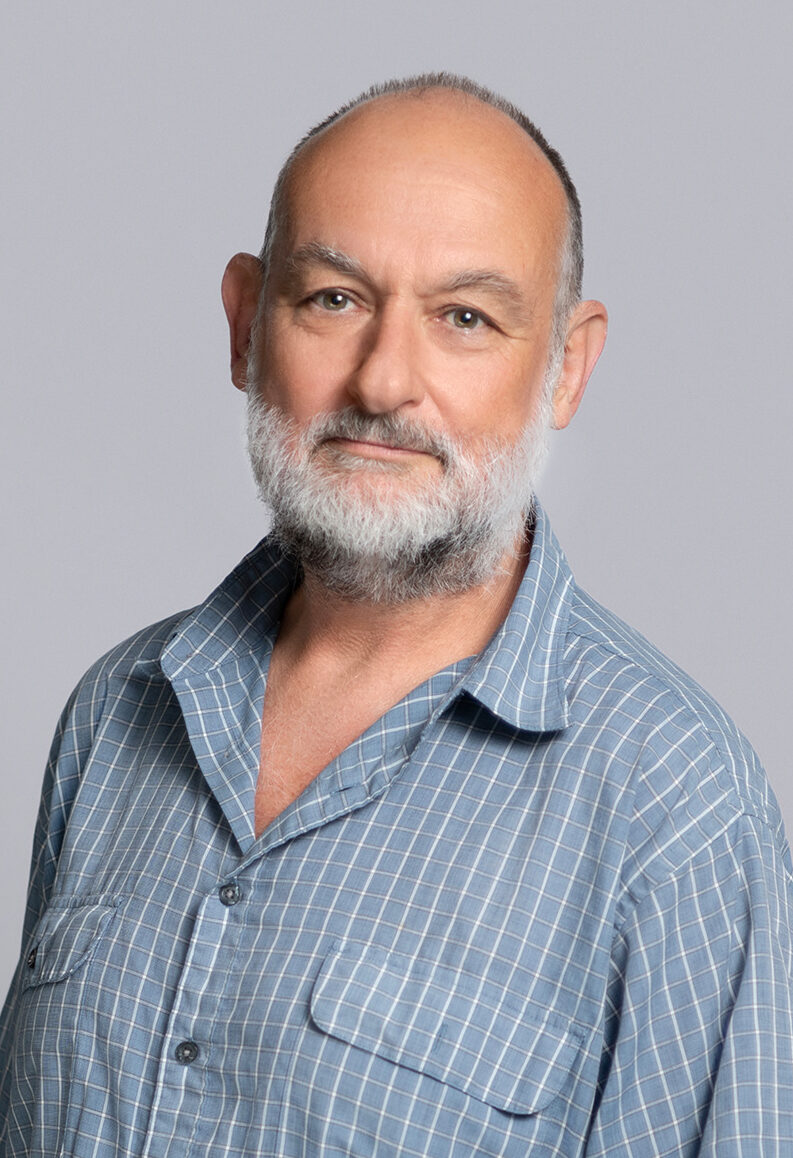
AUTHOR:
Bruce Sheppard

- Bookkeeping (11)
- Bruce's (77)
- Business (154)
- Business Improvement (18)
- China (8)
- Covid-19 (23)
- Enriching (33)
- Events (28)
- GS News (68)
- Info Tech (16)
- Investment (25)
- IRD & Tax (53)
- Joshna's (34)
- Liftoff (7)
- Live Convos (20)
- Networks (7)
- Our Clients (23)
- Richard's (68)
- Yi Ping's (26)
- Tax Updates (171)
- Trusts (10)
- Valuations (3)
- Wealth (25)






If you don’t know where to begin, want to talk through something, or have a specific question but are not sure who to address it to, fill in the form, and we’ll get back to you within two working days.
View all of our services
Find out about our team
Look through our articles
Read more about our history
Business Advisory Services
Tax Specialist Services
Value Added Services
Get in touch with our team
Want to ask a question?
What are your opening hours?
AML & CFT Act in New Zealand
Events with Gilligan Sheppard
Accounting software options
Where are you located?
Events
Find out about our team
Look through our articles
Read more about our history
Business Advisory Services
Tax Specialist Services
Value Added Services
Get in touch with our team
Want to ask a question?
What are your opening hours?
AML & CFT Act in New Zealand
Events with Gilligan Sheppard
Accounting software options
Where are you located?
Events