
We are recognised as authorities in our specialised fields. We publish newsletters with informed opinions that are free for you to subscribe to.
The land of smiles is wearing a frown
I have a deep affection for Thailand—its people, cuisine, and way of life. Meeting my wife in Bangkok, where she worked as a manager for one of the country’s largest accounting firms, only strengthened that connection.
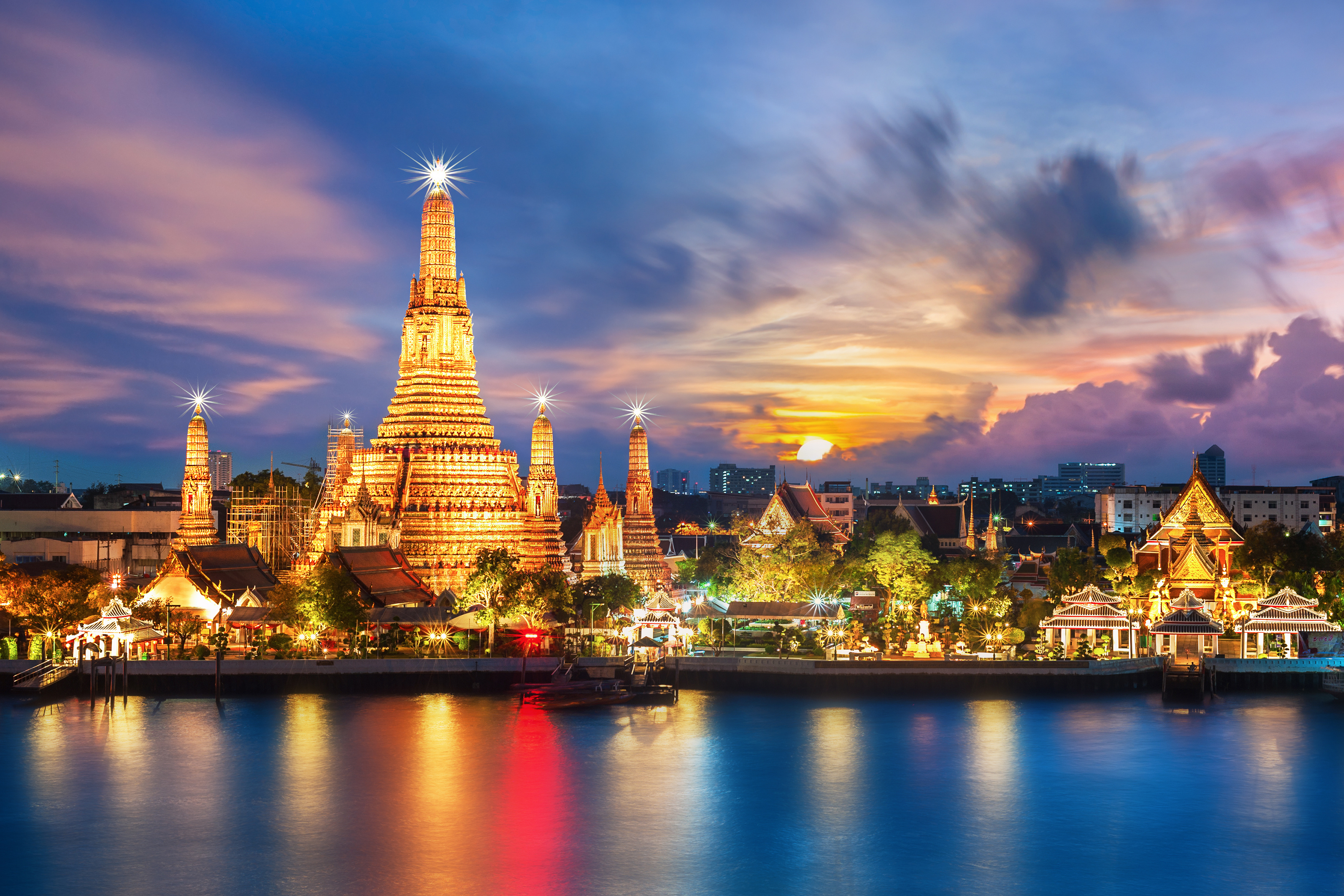
I have a deep affection for Thailand—its people, cuisine, and way of life. Meeting my wife in Bangkok, where she worked as a manager for one of the country’s largest accounting firms, only strengthened that connection.
I spent much of April in Thailand, and my family joined our relatives for the Songkran celebrations, the Thai New Year. With temperatures above 36 degrees most days, the water fights were a welcome relief.
But the “land of smiles” is facing serious challenges today. Widespread corruption under the Shinawatra leadership led many people to back a military establishment that effectively came to hold the balance of power. The hope was that the military would be preferable to the alternative, and might curb the corruption.
Instead, the corruption simply shifted from politicians to the military, leaving the underlying problem unchanged. And for anyone expecting the military—originally presented as a short-term solution—to surrender those benefits voluntarily, the answer is obvious.
Get a speeding ticket, and a payment to the police can make it disappear. Build a residential property and, unless you hand the local land officer the equivalent of NZ$20,000 in a plain brown envelope, it may never be registered. Corruption clouds every level of public office, from local councils to central government.
At times, that corruption leads to serious injury or death. It is widely understood that some construction companies cut corners on cement and steel reinforcement when building apartment towers, then pay off the officials responsible for approving the work.
When Bangkok was struck by the 2025 earthquake, some of those apartment blocks collapsed, killing more than 100 people. Poor construction briefly became a public issue, but the scrutiny soon faded as investigators were allegedly persuaded not to pursue the matter further, most likely with cash payments.
Corruption is not Thailand’s only challenge. Tourism accounts for just under half of its GDP, and COVID devastated the sector. Many family-run businesses were forced to close. Recovery is under way, but higher jet fuel prices linked to the Iran conflict have kept visitor numbers below pre-conflict forecasts.
Thailand also faces a simmering conflict with Cambodia that flares up periodically and has continued for the past year. The dispute stems from poorly defined colonial-era boundary lines, which leave both countries claiming certain shrines and temples. Tensions are further complicated by overlapping claims to oil- and gas-rich reserves in the Gulf of Thailand, making a lasting settlement unlikely any time soon.
In northern Thailand, the Mekong River—running through China, Myanmar, Laos, Thailand, and Vietnam—has been polluted by rare earth mining in Myanmar and Laos. Arsenic, lead, and other chemicals from the extraction process have contaminated a river that once sustained rice-growing regions, and those pollutants are now entering the food chain. That matters to consumers far beyond the region: when you buy jasmine rice, it is worth considering where it was grown, as both Thailand and Vietnam are affected.
Finally, the China–US trade war led to a flood of heavily discounted Chinese goods into Thailand, pushing many factories and assembly plants out of business. Thailand has responded with anti-dumping tariffs, but the empty factories along Sukhumvit Road show the collateral damage the trade conflict has inflicted on the Thai economy.
There is, however, one bright spot. Despite these pressures, unemployment remains below 1%, with youth unemployment just under 1.5%. That resilience appears to reflect a combination of an ageing population, a large informal cash economy, and seasonal agricultural work.

AUTHOR:
Arran Boote

- Bookkeeping (11)
- Bruce's (77)
- Business (154)
- Business Improvement (18)
- China (8)
- Covid-19 (23)
- Enriching (33)
- Events (28)
- GS News (68)
- Info Tech (16)
- Investment (25)
- IRD & Tax (53)
- Joshna's (34)
- Liftoff (7)
- Live Convos (20)
- Networks (7)
- Our Clients (23)
- Richard's (68)
- Yi Ping's (26)
- Tax Updates (171)
- Trusts (10)
- Valuations (3)
- Wealth (25)






If you don’t know where to begin, want to talk through something, or have a specific question but are not sure who to address it to, fill in the form, and we’ll get back to you within two working days.
View all of our services
Find out about our team
Look through our articles
Read more about our history
Business Advisory Services
Tax Specialist Services
Value Added Services
Get in touch with our team
Want to ask a question?
What are your opening hours?
AML & CFT Act in New Zealand
Events with Gilligan Sheppard
Accounting software options
Where are you located?
Events
Find out about our team
Look through our articles
Read more about our history
Business Advisory Services
Tax Specialist Services
Value Added Services
Get in touch with our team
Want to ask a question?
What are your opening hours?
AML & CFT Act in New Zealand
Events with Gilligan Sheppard
Accounting software options
Where are you located?
Events